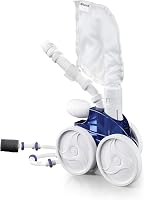
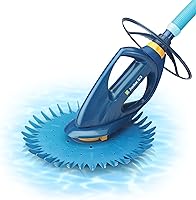
What Is a Pressure-Side Pool Cleaner?
A pressure-side pool cleaner is an automatic cleaner that runs on water pushed back into the pool through a return line. It sweeps the floor and walls and catches dirt in its own debris bag before the dirt reaches the filter.
On this page (9 sections)
- How does a pressure-side pool cleaner work?
- What does a pressure-side cleaner need from your pool?
- What are the three main types of pool cleaner?
- What are the pros and cons of a pressure-side cleaner?
- Which pressure-side cleaners are worth comparing?
- How do you install and set up a pressure-side cleaner?
- How do you maintain a pressure-side cleaner?
- What should you check before buying one?
- So, what is a pressure-side pool cleaner?
A pressure-side pool cleaner is an automatic cleaner that runs on water pushed back into the pool through a return line. It sweeps the floor and walls and catches dirt in its own debris bag before the dirt reaches the filter.
That's the short answer. The rest of this guide covers how the water path works, what hardware a pool needs, and how a pressure-side cleaner differs from the robotic and suction cleaners you'll see in stores.
How does a pressure-side pool cleaner work?
Water leaves the pool's return line and drives the cleaner, then carries debris into a bag on the unit. The pump pushes filtered water out through the return, and the cleaner uses that flow to move and to vacuum.
Most models use venturi jets to create suction as the water exits. The Polaris 280 uses dual venturi jets, and the maker says they create enough vacuum to clean an in-ground pool in 3 hours or less.
The cleaner trails behind a feed hose connected to a dedicated return line. Water flows through the hose, into the cleaner, and out through the jets, which stirs up dirt from the surface.
Debris lands in a filter bag attached to the cleaner instead of going into the pump basket or filter. That's the main draw: the bag keeps leaves and grit out of your filtration system.
What does a pressure-side cleaner need from your pool?
It needs a return line that delivers enough water pressure, and sometimes a separate booster pump. The setup you have decides which model fits.
A dedicated cleaner return line is the ideal setup. The line sends water only to the cleaner, so pressure stays strong and steady even when the pool's other returns are open.
Some models also run on a standard return line, but that water is shared with the pool's circulation, so the cleaner gets less push. A retrofit eyeball kit can turn a standard return into a dedicated line.
A booster pump adds pressure when the main pump alone isn't enough. It's a second pump installed on the cleaner line, and it runs only while the cleaner runs.
What are the three main types of pool cleaner?
Automatic pool cleaners come in three basic groups: pressure-side, suction-side and robotic. The group decides how the cleaner gets its power and where debris ends up.
A suction-side cleaner pulls water in through the skimmer or a dedicated suction port. Debris travels through the hose to the pool's filter, and you clean the filter instead of a bag.
A robotic cleaner runs on its own motor and power cord, independent of the pool's pump. It filters water inside its own body and usually climbs walls on its own schedule.
A pressure-side cleaner pushes water out through a return and traps debris in a bag at the unit. The comparison of pressure-side vs suction-side pool cleaners covers the trade-offs in more detail.
What are the pros and cons of a pressure-side cleaner?
The big plus is a debris bag that keeps leaves and grit out of the filter. The main costs are the extra hardware and the hose in the water.
Here's the honest list. A pressure-side cleaner sweeps and scrubs the pool's surfaces and picks up large debris that some cleaner types can't.
It also lightens the load on the pump basket and filter, which can extend how long those parts last.
Against that, many models need a dedicated return line or a booster pump. The feed hose stays in the pool while the cleaner runs, and you empty the bag by hand after each cycle.
Robotic cleaners skip the booster pump and the return-line plumbing, but they cost more and need their own power. The pressure-side pool cleaner vs robotic comparison sets the two side by side.
Who should choose a pressure-side cleaner?
Pick a pressure-side cleaner if your pool already has a dedicated cleaner return line and you want debris caught before it reaches the filter. It also suits pools with a lot of leaves and grit, since the bag handles large debris.
Skip it if you'd rather not add a booster pump or plumbing. A robotic or suction cleaner may fit a simpler setup better.
Which pressure-side cleaners are worth comparing?
The Polaris 280 and 360 are the two models most buyers start with. The 280 uses a booster pump, while the 360 runs on the pool's own return pressure.
The 280 has a three-wheel design and a 2.25 inch inlet that takes in large debris. Polaris says the dual venturi jets clean an in-ground pool in 3 hours or less, and the single chamber bag captures leaves, acorns and pebbles.
The 360 needs no booster pump. It uses three venturi jets and the same 2.25 inch inlet, and it includes 31 feet of feed hose and a single chamber bag.
Both models are safe for all pool shapes and surfaces, including vinyl, fiberglass, gunite, pebble and tile. For a closer look at the pair, read Polaris 280 vs 380 and compare the wider field in our roundup of the best pressure-side pool cleaners with a debris bag.
Who should add a booster pump?
Add a booster pump if your return pressure alone won't drive the cleaner, which is common with the 280. The Polaris PB4-60 is a 3/4 horsepower booster pump built for Polaris pressure cleaners.
It includes a 60-hertz motor and a MagnetTek motor that Polaris calls powerful, fast and durable. The pump runs on 230 volts and works with low-speed, two-speed or variable-speed pumps to save energy.
If your pool has a dedicated cleaner line and the main pump is strong, you may not need the booster at all. The 360's no-booster design is the reason some buyers choose it over the 280.
How do you install and set up a pressure-side cleaner?
Connect the feed hose to the dedicated return line, then set the cleaner in the pool and let the water pressure do the work. The first run shows whether the pressure is right.
Attach the hose end to the return fitting and lay the hose out so it reaches the far end of the pool without kinks. Lower the cleaner into the water and let it fill before you start the pump.
Watch the cleaner's first few minutes. A cleaner that moves slowly or stalls may need more pressure from the return line or the booster pump.
Check the bag before each run and empty it when it's full. A packed bag cuts the water flow and slows the cleaner, so a quick empty keeps the cycle short.
How do you maintain a pressure-side cleaner?
Empty the bag after each cycle, check the hose for cracks and keep the jets clear. Small upkeep steps keep the cleaner moving at full speed.
Rinse the bag with a hose and let it dry before refitting it. A torn bag lets debris through to the filter, so replace it when the seams split.
Check the feed hose for kinks and holes, since a leak drops the pressure at the cleaner. Store the hose out of direct sun when the cleaner is out of the pool.
Clear the venturi jets if the cleaner slows down. Debris caught in a jet reduces the vacuum, and a quick clean restores the flow.
What should you check before buying one?
Confirm the return-line setup first, then match the cleaner to your pool's surface and debris load. The plumbing decides whether you need a booster pump.
Look at the return fitting and count the returns. A pool with a dedicated cleaner line and strong pressure suits a no-booster model like the 360.
A pool without one may need the 280 plus the PB4-60.
Check that the cleaner is rated for your surface. Both Polaris models listed here are safe for vinyl, fiberglass, gunite, pebble and tile.
Think about the debris you get most. A bag that catches leaves and pebbles helps in a yard with trees, while a light debris load may not justify the extra hardware.
So, what is a pressure-side pool cleaner?
A pressure-side pool cleaner is the automatic cleaner that uses water pushed out through a pool return to sweep and scrub the pool and trap dirt in a bag. It keeps debris out of the filter and handles large leaves and grit well.
Pick the Polaris 280 with the PB4-60 if your pool needs a booster pump and you want the 3 hour cleaning cycle Polaris claims. Pick the Polaris 360 if your return line already delivers enough pressure and you'd rather skip the extra pump.
Either way, confirm your return-line setup before you buy. That single check decides which pressure-side pool cleaner belongs in your pool.
Frequently asked questions
Do I need a separate pump for a pressure-side pool cleaner?
Some models need one. The Polaris 280 runs on a dedicated booster pump, while the Polaris 360 runs on the water pressure from the pool's return line and needs no booster.
Will a pressure-side cleaner climb the pool walls?
Yes. The Polaris 280 sweeps and scrubs both the floor and the walls, and the 360 covers the same surfaces.
Wall coverage depends on the cleaner running with the water pressure the maker specifies.
Can a pressure-side cleaner go in a vinyl pool?
Yes. The Polaris 280 and 360 are both safe for all pool shapes and surfaces, including vinyl, fiberglass, gunite, pebble and tile.
Check the wheel and brush condition so nothing catches on the liner.
Does a pressure-side cleaner replace the pool's filter?
No. It collects debris in its own bag before the debris reaches the pump basket or filter, which lightens the filter's load.
The pool's filtration system still runs the water and keeps it clear.
What is the difference between a pressure-side and a suction-side cleaner?
A suction-side cleaner pulls water in through the pool's skimmer or dedicated suction line and sends debris to the filter. A pressure-side cleaner pushes water out through a return line and traps debris in a bag at the cleaner.
How much hose does a Polaris pressure-side cleaner include?
The Polaris Vac-Sweep 280 and 360 each include 31 feet of feed hose. That length covers most in-ground pools, and the hose should reach from the return line to the farthest corner.