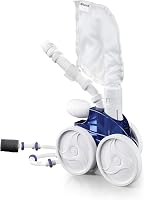
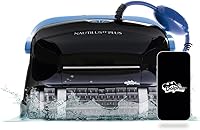
Polaris 280 vs 380 Pressure-Side Cleaner: Which Is Better? (October 2026)
Choose the Polaris 280 if you want a pressure-side cleaner with a simpler two-jet setup; choose the 380 if its three jets suit your cleaning needs. Both use a separate booster pump, a 31 ft hose and a debris bag.
On this page (8 sections)
- Polaris 280 vs 380: what is the main difference?
- Which cleaner is better for large debris?
- Does the 380's third jet make it a better choice?
- What do the Polaris 280 and 380 have in common?
- When should you choose the Polaris 280?
- When should you choose the Polaris 380?
- Is the Polaris 360 a useful alternative?
- Which Polaris pressure-side cleaner should you buy?
Choose the Polaris 280 for a two-jet pressure-side cleaner or the 380 for three jets. Both use a separate booster pump, a 31 ft feed hose and a debris bag for pool debris.
The 280 and 380 share the same listed inlet size and are described for in-ground pools. Their clearest stated difference is the number of venturi jets: 2 on the 280 and 3 on the 380.
We compared their features and setup needs to help you decide. Your pool's return-line arrangement matters as much as the jet count.


Polaris 280 vs 380: what is the main difference?
The 280 has 2 venturi jets, while the 380 has 3. Both need a separate booster pump and have a 2.25 in inlet, a 31 ft hose and a single-chamber debris bag.
Polaris describes both cleaners as sweeping and scrubbing pool floors and walls. The 280 uses dual venturi jets, while the 380 uses 3 jets.
More jets are a feature difference, but the available details don't show how much faster the 380 cleans than the 280 in a specific pool. Both are described as cleaning in 3 hours or less, with performance depending on the setup and conditions.
How does the Polaris 280 vs 380 comparison affect setup?
Both models are pressure-side cleaners powered by a separate booster pump. They connect to a dedicated return line, so check that your pool has compatible plumbing before choosing either one.
If you're not sure what equipment your pool has, our guide to what a pool booster pump does explains how it fits into a pressure-side cleaner setup. Ask a pool professional to confirm your system's compatibility.
Which cleaner is better for large debris?
Both the Polaris 280 and 380 are designed to pick up large debris into a filter bag. Each has a 2.25 in inlet, and Polaris describes the bag as capturing items such as leaves, acorns and pebbles.
The bag collects debris before it reaches the pump basket or filter. That gives you a separate collection point to check and empty.
The details don't identify a difference in bag capacity between the two models. Follow the manual for bag care and inspection, especially during periods with heavy leaves.
For more options with a debris bag, see our guide to pressure-side pool cleaners. It covers the broader category if neither model fits your setup.
Does the 380's third jet make it a better choice?
Pick the 380 if you specifically want its third venturi jet, but don't treat jet count alone as proof of better cleaning in your pool. The 280 has a similar stated cleaning purpose and the same inlet size and hose length.
Both are described as cleaning in 3 hours or less. Those are maker statements, not a result we measured, and actual performance depends on pool conditions and proper installation.
The 380's third jet may be appealing if you want the model with more jets. The 280 remains a practical choice if its dual-jet design and shared features meet your needs.
What do the Polaris 280 and 380 have in common?
Both models are pressure-side cleaners for in-ground pools, with a 31 ft hose and a single-chamber debris bag. They are also described for the same range of pool surfaces.
Polaris names vinyl, fiberglass, gunite, pebble and tile for both cleaners. Check the owner's manual for setup and care instructions for your pool and cleaner.
Each cleaner is described as sweeping and scrubbing the floor and walls while collecting debris in its own bag. This setup differs from a robotic cleaner, which is a separate cleaner type with different equipment needs.
Read our overview of automatic pool cleaner types if you want to compare pressure-side cleaners with robotic and suction-side options.
When should you choose the Polaris 280?
Choose the 280 if a two-jet cleaner fits your needs and your pool already has a compatible booster pump and dedicated return line. It offers the same stated inlet size, hose length and bag type as the 380.
The 280's specs include a 31 ft hose and dual venturi jets. Polaris says it can clean an in-ground pool in 3 hours or less.
The 280 is the stronger fit of these two if you prefer its simpler jet configuration. See our Polaris 280 review for a closer look at its features and tradeoffs.
When should you choose the Polaris 380?
Choose the 380 if you want 3 venturi jets and your pool has the required booster-pump and return-line setup. Its other stated core features match the 280 closely.
The 380 has a 2.25 in inlet, a 31 ft feed hose and a single-chamber bag. Polaris describes it as cleaning in 3 hours or less.
There's no need to assume the extra jet makes the 380 the better fit for every pool. Check your plumbing and decide whether that feature matters for your cleaning routine.
Is the Polaris 360 a useful alternative?
Consider the Polaris 360 if you want a pressure-side cleaner without a separate booster pump. It runs from water pressure in the pool's return line, but it still needs the right return-line setup.
Like the 380, the 360 has 3 venturi jets, a 2.25 in inlet, a 31 ft hose and a debris bag. It is not compatible with a dedicated pressure line and booster pump.
A standard return line may need a retrofit to work with the 360. Check with a pool professional to confirm what your pool needs before buying.
Which Polaris pressure-side cleaner should you buy?
Choose the 280 for a two-jet design, the 380 for three jets or the 360 if avoiding a separate booster pump is your priority. First make sure the cleaner fits your pool's plumbing.
The 280 and 380 share a booster-pump requirement, inlet size, hose length and bag design. The 380's extra jet is the main stated difference between them.
For more context, compare pressure-side and suction-side cleaners if you haven't settled on a cleaner type. If you're set on pressure-side, pick the model that suits your existing equipment and the features you value.
Frequently asked questions
What is the difference between the Polaris 280 and 380?
The main stated difference is the jet count: the 280 has 2 venturi jets, and the 380 has 3. Both use a separate booster pump, a 31 ft feed hose, a 2.25 in inlet and a single-chamber debris bag.
Check that your pool has the proper dedicated return-line setup.
Does the Polaris 380 need a booster pump?
Yes. The Polaris 380 is powered by a separate Polaris booster pump.
If you want a pressure-side Polaris cleaner that doesn't need a separate booster pump, consider the 360, which runs on pool return-line pressure when the setup is suitable.
Do the Polaris 280 and 380 clean the same pool surfaces?
Both are described for in-ground pools and for vinyl, fiberglass, gunite, pebble and tile surfaces. Confirm your pool's return-line setup and follow the cleaner's manual for installation and use.
Can the Polaris 280 or 380 pick up leaves?
Both have a 2.25 in inlet and a single-chamber bag intended to capture small and large debris, including leaves and acorns. The bag needs regular attention, so follow the manual for checking and care.
Which Polaris pressure-side cleaner should I choose?
Choose the 280 if its two-jet setup fits your needs, or the 380 if you prefer three jets. If avoiding a separate booster pump matters most, compare the 360 and check with a pool professional that your return-line setup is suitable.