Automatic Pool Cleaner Types Compared
An automatic pool cleaner can be robotic, suction-side or pressure-side. Choose by how it connects, where debris goes, and whether you want to use the pool pump or a separate cleaning unit.
On this page (9 sections)
- Which automatic pool cleaner type should you choose?
- How does a robotic pool cleaner work?
- How does a suction-side pool cleaner work?
- How does a pressure-side pool cleaner work?
- What should you compare before buying?
- Which cleaner type handles leaves and larger debris?
- Which type is a better fit for your pool?
- How do you keep an automatic pool cleaner working well?
- Which automatic pool cleaner should you choose?
An automatic pool cleaner removes debris with less manual vacuuming, but the three main types connect and collect dirt in different ways. Robotic cleaners operate as separate units, suction-side cleaners use the pool's suction system, and pressure-side cleaners use return water, sometimes with a booster pump.
Start with the pool equipment you already have and the kind of debris you need to collect. Then compare how much setup and filter care each type requires.
Which automatic pool cleaner type should you choose?
Choose a robotic cleaner for a separate cleaning unit, a suction cleaner if you want to use the pool's suction line or skimmer, and a pressure cleaner if your pool has a suitable return connection. The best fit depends on your plumbing and debris, not just the cleaner's label.
| Type | Connection and power | Where debris goes | Consider it when |
|---|---|---|---|
| Robotic | Separate cleaner; some models plug in and others use a battery | Internal filter or basket | You want cleaning separate from the pool's filtration system |
| Suction-side | Dedicated suction line or skimmer; uses pool pump suction | Pool filtration system | You want debris sent through the existing filtration system |
| Pressure-side | Return line; some models need a separate booster pump | Often a cleaner bag | You want a separate collection bag for leaves and other debris |
Names and features vary by model. Check the exact connection, power requirements and debris handling before buying.
How does a robotic pool cleaner work?
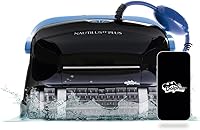
A robotic pool cleaner runs as a separate unit and collects debris in its own filter system. Some models plug into power, while cordless models use a battery.
This setup can keep collected debris out of the pool's main filtration path. You still need to remove and clean the robot's filter according to the manual.
Robotic models differ in where they clean and how they are powered. A pool with steps, a waterline target or tight access may need a model with features suited to those areas.
A robot may suit you if you want to run a cleaner without routing debris through the pool filter. Consider charging or cable handling, filter cleaning and the maker's directions for your pool.
For a closer look at the trade-offs, read how robotic, suction-side and pressure-side cleaners work. If a robot is your likely choice, our robotic cleaner guide covers that type in more detail.
How does a suction-side pool cleaner work?
A suction-side cleaner connects to a dedicated suction line or the pool skimmer and sends debris to the pool filtration system. It uses the pool pump's suction, so it depends on suitable flow and filter capacity.
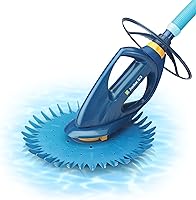
The MX6 uses hydraulic suction to drive its gears, and its maker describes the cleaner as able to climb walls when set to proper flow. It comes with a 32 ft hose and connection accessories.
Because debris goes through the pool's filtration system, filter maintenance is part of the choice. Consider the type and amount of debris in your pool, and check the cleaner's flow setup against your pump and plumbing.
A suction cleaner may be a straightforward fit when your pool has a usable skimmer or dedicated suction line. It may be a poor match if you want debris collected separately or your pool's flow setup does not suit the cleaner.
Compare the two plumbing-based options in pressure-side vs suction-side pool cleaners.
How does a pressure-side pool cleaner work?
A pressure-side cleaner connects to the pool's return line and uses pressurized water to move and collect debris. Some models need a separate booster pump, so verify the pool equipment and cleaner requirements before choosing.
The 280 comes with a 31 ft feed hose and single-chamber filter bag. Its maker describes it as sweeping and scrubbing the floor and walls of in-ground pools.
A separate bag gives debris a collection point outside the main filter path. You'll need to empty the bag and keep the return connection and any required pump setup in good order.
Pressure-side cleaners can suit pools with a compatible return connection and the required pump equipment. If you are unsure whether your system has a booster pump or dedicated return line, ask a pool professional to identify the setup.
Read what a pool booster pump does before comparing pressure-side models.
What should you compare before buying?
Compare connection, debris path, maintenance and pool coverage first. Those details show whether a cleaner can work with your pool and whether its upkeep suits your routine.
Does your pool have the right connection?
Identify the pool's skimmer, suction line and return line before picking a plumbing-based cleaner. For a pressure-side model, also check whether it requires a booster pump.
If you don't know which line is which, consult the pool manual or a qualified pool professional. Don't guess by connecting a cleaner to a fitting that only looks compatible.
Where will collected debris go?
A robotic cleaner typically collects debris in its own filter. Suction-side debris goes through the pool's filtration system, while some pressure-side cleaners use a separate bag.
Think about what your pool collects most often. Leaves and larger debris can make a bag useful; fine debris may require closer attention to the filter or basket design.
What areas need cleaning?
Check whether the model is intended to clean the floor, walls, waterline or steps. Coverage varies by model, so don't assume that every cleaner of a given type reaches the same areas.
Pool shape, surface and obstacles can also affect movement. Look for model-specific guidance if your pool has a slope, tight corners or features that could interrupt a cleaner's path.
How much maintenance suits you?
Each type has routine care. Robots need filter care and may need charging, suction cleaners send debris into the pool filtration system, and bag-equipped pressure cleaners need their bags emptied.
Read the manual for cleaning and storage steps. A model's connection and debris path often tell you more about upkeep than its general type.
Which cleaner type handles leaves and larger debris?
Pressure-side cleaners with a debris bag can be a practical option for collecting larger debris separately from the pool filter. The Polaris Vac-Sweep 280's maker says its bag can collect leaves, acorns and pebbles.
A robotic cleaner's suitability depends on its filter design and the debris it is made to collect. A suction cleaner sends debris to the pool filtration system, so consider filter capacity and maintenance if leaves are common.
Heavy debris can fill a bag or basket quickly. Check its capacity and cleaning instructions, and keep up with skimming so large loads don't overwhelm the cleaner.
Which type is a better fit for your pool?
Use the pool's connections and your cleaning priorities to narrow the choice. Match the cleaner to your system first, then compare specific models for coverage and care.
- Choose a robotic cleaner if you want a separate unit with its own collection system.
- Choose a suction-side cleaner if you have a suitable suction connection and want debris routed through pool filtration.
- Choose a pressure-side cleaner if you have a compatible return setup and can meet any booster-pump requirement.
A cleaner that suits one pool may not suit another, even when both pools are similar in size. For model comparisons across all three types, see the best automatic pool cleaners.
How do you keep an automatic pool cleaner working well?
Follow the maker's manual for setup, operating flow, cleaning and storage. Inspect hoses, cables, filters and bags as appropriate for your cleaner type.
If the cleaner stops moving, check for a full bag or filter, tangled hose or cable, blocked intake, and an interrupted connection. Turn off equipment before inspecting plumbing, and follow the manufacturer's safety directions.
Our guide to why a pool cleaner may not be moving walks through basic checks. For robotic cleaners, how often to run a pool vacuum can help you plan a routine around your pool's debris load.
Which automatic pool cleaner should you choose?
Choose a robotic cleaner for separate collection, a suction-side model for a compatible suction line and pool filtration path, or a pressure-side model for a return connection and any required booster pump. Then check the exact model's coverage, debris capacity and maintenance instructions.
If you are still comparing system types, start with robotic vs suction-side cleaners and use the cleaner help hub to find the next topic.
Frequently asked questions
What are the main types of automatic pool cleaners?
The main types are robotic, suction-side and pressure-side cleaners. A robot runs as a separate unit.
A suction cleaner connects to a skimmer or dedicated suction line, and a pressure cleaner connects to a return line.
Compare how each handles debris and what equipment your pool already has.
Which automatic pool cleaner is easiest to set up?
Setup depends on the cleaner and pool equipment. A robotic model may be plug-and-play, while suction and pressure cleaners connect to pool plumbing and need suitable flow.
Check the exact model instructions and your pool's connections before deciding based on setup alone.
Do pressure-side pool cleaners need a booster pump?
Some pressure-side cleaners use a separate booster pump. The Polaris Vac-Sweep 280, for example, is powered by one and connects to a dedicated return line.
Check your pool's equipment and the cleaner's requirements; see our guide to pool booster pumps for more.
Where does debris go in each cleaner type?
Robotic cleaners use a filter basket or other internal collection system, suction cleaners send debris to the pool filtration system, and pressure cleaners can collect debris in a bag. The destination affects filter maintenance, pump load and how often you empty a cleaner.
Can one cleaner type work for every pool?
No single type is right for every pool. Pool plumbing, pump setup, debris, surface, shape and the cleaning areas you care about all affect fit.
Confirm the cleaner's supported pool and setup in its instructions, especially if you have steps, a waterline or unusual fittings.