Why Is My Pool Cleaner Not Moving?
A pool cleaner that isn't moving usually has a flow, hose, blockage, or power problem. Turn it off, check the simple connections and debris first, then follow the cleaner's manual before trying repairs.
On this page (9 sections)
- What should you check first when a pool cleaner stops?
- Why is a suction pool cleaner not moving?
- Can a clogged or twisted hose stop a pool cleaner?
- Why is a pressure-side pool cleaner not moving?
- Why is a robotic pool cleaner not moving?
- Could low flow or a dirty filter be the cause?
- What if the cleaner moves slowly or keeps stopping?
- When should you call the maker or a pool professional?
- What to do when a pool cleaner is not moving
A pool cleaner that isn't moving usually has a flow, hose, blockage, or power problem. Turn it off, check the basic connections and visible debris, then use the manual for your cleaner type before trying any repair.
The right first check depends on whether your cleaner is robotic, suction-side, or pressure-side. A guide to how automatic pool cleaners work can help you identify which system yours uses.
What should you check first when a pool cleaner stops?
Turn the cleaner off before inspecting it, and check its connection, hose, and visible debris. These simple checks can reveal a setup issue without taking the cleaner apart.
- Switch off the cleaner and the connected equipment as its manual directs.
- Check that hoses, cables, and fittings are connected as instructed.
- Look for kinks, tangles, or a hose that has come loose.
- Remove accessible debris that may block movement or flow.
- Restart only after following the manual's steps.
Don't reach into a pump, cleaner, or moving part while equipment is running. If you can't tell whether a part is safe to handle, stop and contact the maker or a pool service professional.
Why is a suction pool cleaner not moving?
A suction cleaner needs the pool's pump flow and a clear hose path to move. Check the hose connection and visible clogs first, then follow the cleaner and pool equipment manuals to check flow.
Suction cleaners connect to a dedicated suction line or the skimmer, depending on the model. A loose connection, kink, or blockage can interrupt the suction that moves the cleaner.
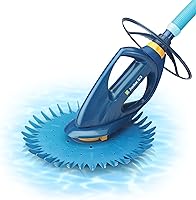
The Zodiac MX6 is a suction-side cleaner that connects to a dedicated suction line or through the skimmer and sends debris to the pool filtration system.
Check the manual before changing flow settings or moving valves. If the cleaner remains still after you clear an accessible blockage and confirm its setup, contact the cleaner maker or a pool professional.
Can a clogged or twisted hose stop a pool cleaner?
Yes, a kinked, tangled, or obstructed hose can limit the flow or movement a cleaner needs. With the system off, inspect the full accessible hose length and reconnect it as the manual shows.
Straighten kinks and untwist sections without forcing a fitting. Remove only debris you can reach safely; don't push tools into the cleaner or plumbing.
A suction cleaner's hose connects its movement to the pool's suction system. For more on cleaner types and their connections, see automatic pool cleaners: robotic, suction and pressure.
Why is a pressure-side pool cleaner not moving?
A pressure-side cleaner relies on water flow from its pressure system, so check its hose and the system setup against the manuals. If it uses a booster pump, confirm the pump is operating as its instructions direct.
The Polaris PB4-60 is a booster pump made to fit Zodiac Polaris pressure cleaners. If your setup uses this pump, the manual for both the pump and cleaner is the guide for checking the system.
Don't open electrical equipment or attempt wiring repairs. If the booster pump does not run, or the cleaner still won't move after safe checks, contact a qualified pool professional or the manufacturer.
For a model-specific checklist, see Polaris pool cleaner not moving. It focuses on the cleaner's manual and avoids teardown instructions.
Why is a robotic pool cleaner not moving?
A robotic cleaner may not move if it isn't receiving power or its cable, controls, or moving parts need attention. Turn it off and check its power connection and visible obstructions using the manual for your model.
Robotic cleaners have their own power and operating instructions, which differ from suction and pressure models. Check whether the unit is plugged in or charged as its maker directs, and whether the cable is tangled or caught.
Don't open the cleaner's motor housing or power supply. For operating guidance, see how to vacuum a pool with a robotic cleaner.
Could low flow or a dirty filter be the cause?
Low flow can keep a suction or pressure cleaner from moving as intended. Check the pool system's filter and pump using their own manuals, and compare the cleaner's setup with the maker's flow guidance.
A suction cleaner depends on the pool pump's suction. The Hayward TracVac connects to a suction port or skimmer, so its movement depends on the pool's suction system.
Don't guess at a valve position or flow target. If the pump or filter seems to be the problem, troubleshoot that equipment separately or ask a pool professional.
What if the cleaner moves slowly or keeps stopping?
Slow or uneven movement can point to an obstruction, hose issue, or flow problem. Turn off the system and inspect the accessible parts before checking model-specific troubleshooting steps.
A cleaner that moves briefly and stops may have a hose that catches or a blockage that shifts. If it moves but tips or rolls over, see why a pool cleaner keeps flipping over for causes related to balance and movement.
Don't keep restarting a cleaner that repeatedly stops. Continued operation may strain the equipment, and the model's manual may give a specific stop-use instruction.
When should you call the maker or a pool professional?
Ask for help when basic checks don't identify the cause, or when the issue involves electrical parts, pump internals, or sealed cleaner components. Share the model name and describe what the cleaner does when switched on.
Stop using the cleaner if you see a damaged cable, leaking equipment, burning smell, or unusual noise. Use the manufacturer's support instructions for warranty or repair questions.
For a broader comparison of cleaner systems and their upkeep, visit the cleaner help hub. The hub can help you find guidance for suction, pressure, and robotic cleaners.
What to do when a pool cleaner is not moving
Match the next step to the cleaner type: check hose and suction setup for a suction cleaner, the pressure system and booster pump for a pressure cleaner, and power and cable setup for a robot. Use the manual for safe model-specific checks.
Clear only accessible debris, avoid disassembly, and contact the maker or a pool professional if the cleaner still won't move. If you have a Polaris pressure cleaner, start with the Polaris cleaner troubleshooting guide.
Frequently asked questions
Why is my pool cleaner not moving?
A pool cleaner may stop moving because it has too little flow, a kinked or disconnected hose, debris blocking a moving part, or a power or connection issue. Turn it off before checking.
Use the cleaner's manual to identify safe checks for its type, and contact the maker if the cause isn't clear.
How do I get my suction pool cleaner moving again?
Check that the hose is connected and free of kinks, then look for debris blocking the cleaner or hose. Confirm the pool pump and filter are operating as the manuals direct.
If it still doesn't move, check the maker's flow and setup instructions before adjusting valves or taking anything apart.
Why does my pressure-side pool cleaner move slowly?
A pressure-side cleaner can move slowly when its water flow or pressure is outside the range its maker requires, or when a hose or cleaner part is obstructed. Turn off the system before inspecting it, then follow the cleaner and booster pump manuals or contact the maker for model-specific guidance.
Should I take apart a pool cleaner that stopped moving?
No, don't take apart a pool cleaner unless its manual specifically directs you to do so. Turn it off, check accessible hoses and debris, and use the model's troubleshooting steps.
If the problem continues, contact the manufacturer or a qualified pool service professional.