How Do Automatic Pool Cleaners Work?
Automatic pool cleaners move around the pool, loosen or collect debris, and send it to a filter or a separate bag. Robots use their own cleaning system, suction cleaners connect to the pool's suction line, and pressure cleaners use return-line water.
On this page (8 sections)
- How do automatic pool cleaners work?
- How do robotic pool cleaners work?
- How do suction-side pool cleaners work?
- How do pressure-side pool cleaners work?
- Where does the debris go?
- What affects how well a cleaner moves?
- How often should an automatic pool cleaner run?
- Which type of automatic pool cleaner should you choose?
Automatic pool cleaners move around the pool, loosen or collect debris, and route it to a filter or bag. Robotic cleaners use their own cleaning system, suction-side cleaners connect to the pool's suction line, and pressure-side cleaners use water returning to the pool.
The main difference is how each type gets power and where the debris goes. Match that setup to your pool equipment before choosing a cleaner.
How do automatic pool cleaners work?
Automatic pool cleaners travel across pool surfaces and move debris into a collection point. The cleaner's type determines whether debris goes through the pool's filtration system or into a filter inside the cleaner.
A cleaner may cover the floor, walls, or other areas, depending on its design. Check the specific model's instructions and product details to see which surfaces it handles.
The three common types are robotic, suction-side, and pressure-side cleaners. Our guide to robotic, suction, and pressure pool cleaners explains the main differences.
How do robotic pool cleaners work?
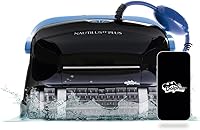
A robotic cleaner uses its own motor to move and collect debris in an onboard filter. It doesn't connect to a suction or pressure line to do its cleaning.
Some robotic models scrub surfaces as they move. For example, the Dolphin Robotic Pool Vacuum for In-Ground Pools has an active scrubbing brush and a top-load filter basket.
Follow the specific cleaner's manual for power, placement, and filter care. To compare the tradeoffs, see robotic pool cleaners versus suction-side cleaners.
How do suction-side pool cleaners work?
A suction-side cleaner connects to a skimmer or dedicated suction line and uses the pool system's suction to draw in debris. The debris travels through the cleaner hose and into the pool's filtration system.
The Zodiac G3 is a suction-side cleaner for in-ground pools. It connects to the skimmer or a dedicated suction line, and its wheel deflector helps it move around tight corners.
A suction cleaner depends on a suitable connection and water flow. Read the cleaner and pool equipment manuals to confirm the setup works for your pool.
How do pressure-side pool cleaners work?
A pressure-side cleaner uses water from a pool return line to propel itself and collect debris. Many models direct debris into a bag attached to the cleaner, keeping that debris separate from the pool pump basket.
The Polaris Vac-Sweep 360 uses return-line pressure and has a filter bag. Polaris says it can connect to a dedicated cleaner return line or a standard return line adapted for its setup; check with a pool professional about compatibility.
Pressure-side designs differ in their return-line and pump needs. For background on one part of some pressure cleaner setups, read what a pool booster pump is.
Where does the debris go?
Robotic cleaners collect debris in their own filter, while suction-side cleaners route it through the pool's filtration system. Pressure-side cleaners commonly collect debris in a cleaner bag.
That difference affects what you need to empty or maintain. With a robot, check the onboard filter; with a suction cleaner, monitor the pool filter; with a pressure cleaner, empty its bag as directed.
A cleaner moving debris doesn't replace routine pool care. Follow the pool and cleaner manuals for filter cleaning and water maintenance.
What affects how well a cleaner moves?
The cleaner needs a compatible connection, suitable water flow, and clear movement around pool features. Hoses, fittings, drains, lights, steps, and corners can affect how a model travels.
Suction models need an appropriate suction connection. Pressure models need a return-line setup that matches the cleaner, while robotic models need the power arrangement described in their manual.
If the cleaner stops moving or gets stuck, start with the manual's setup and troubleshooting steps. Our guide to why a pool cleaner may not be moving covers common checks.
How often should an automatic pool cleaner run?
Run a cleaner according to your pool's debris load, the cleaner's instructions, and your maintenance routine. Trees, wind, and frequent pool use can change how quickly debris builds up.
More run time isn't automatically better for every cleaner or pool setup. See how often to run a pool vacuum for practical scheduling factors.
Which type of automatic pool cleaner should you choose?
Choose a robotic cleaner if you want a unit that collects debris in its own filter. Choose a suction-side cleaner if your pool has a suitable suction connection, or a pressure-side cleaner if its return-line requirements fit your equipment.
Before buying, confirm the cleaner's pool type, connection, and cleaning coverage. Start with our automatic pool cleaner guide to compare the three types, then use the maker's manual and a pool professional to confirm equipment compatibility.
Frequently asked questions
How does an automatic pool cleaner pick up dirt?
A cleaner moves across the pool and directs debris into a filter basket, bag, or the pool's filtration system, depending on its type. Robotic cleaners filter debris inside the unit, suction-side cleaners draw it through the pool's suction system, and pressure-side cleaners collect it in a separate bag.
Does an automatic pool cleaner need the pool pump?
Suction-side cleaners use water drawn through the pool's suction line, and pressure-side cleaners use water from a return line. Robotic cleaners have their own motor and filter, though you should follow the model's instructions for power and operation.
What is the difference between suction and pressure pool cleaners?
A suction-side cleaner uses suction from the skimmer or a dedicated suction line to draw in debris. A pressure-side cleaner connects to a return line and uses water pressure to move and collect debris, often in its own bag.
How do robotic pool cleaners work?
A robotic pool cleaner moves around the pool using its own motor and collects debris in a filter inside the unit. Many models scrub surfaces as they travel.
Their setup and cleaning areas vary, so check the manual for power, operation, and care instructions.