Pressure-Side vs Suction-Side Pool Cleaners: Which Is Better? (October 2026)
Choose a suction-side cleaner for a simpler connection to your pool’s suction line; choose a pressure-side cleaner when a return line and debris bag suit your setup. Your pump system, debris and maintenance habits help decide.
On this page (6 sections)
Choose a suction-side cleaner for a connection to your skimmer or suction line; choose a pressure-side cleaner when your return line and debris-handling needs fit that setup. In this pressure side vs suction side pool cleaners comparison, start with your pool’s plumbing, then consider the debris and care each type requires.
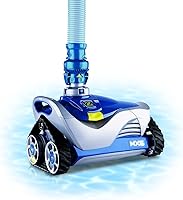
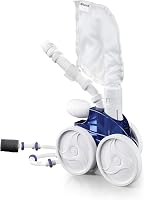
The Zodiac G3 connects to a skimmer or dedicated suction line. The Polaris Vac-Sweep 280 connects to a dedicated return line and is powered by a separate booster pump.
Those different connections affect how each cleaner fits into your pool system. They also shape where debris goes and what equipment you may need.


Pressure-side vs suction-side pool cleaners: how do they connect?
Suction-side cleaners connect to the skimmer or a dedicated suction line, while pressure-side cleaners connect to a return line. Confirm which lines and fittings your pool has before comparing models.
A suction cleaner uses water flow through the suction plumbing to move. The Zodiac G3 attaches at the skimmer or a dedicated suction line, so it can fit pools set up for either connection.
A pressure cleaner uses water returning to the pool. The Polaris Vac-Sweep 280 connects to a dedicated return line and needs a separate Polaris booster pump.
That pump requirement can be a deciding factor. If you don't have a compatible return line and booster-pump arrangement, don't assume a pressure cleaner will connect directly to the skimmer.
Does a pressure-side cleaner always need a booster pump?
Requirements depend on the pressure cleaner and pool system; the Vac-Sweep 280 uses a separate booster pump. Check the model’s manual and your existing equipment before planning installation.
The Polaris PB4-60 is a booster pump made to fit Zodiac Polaris pressure cleaners. Its motor is 3/4 hp, but compatibility with a particular installation still needs to be confirmed.
If you're unfamiliar with the equipment, our guide to what a pool booster pump does explains its role. Have a pool professional assess plumbing or electrical work, and follow the manufacturer's instructions.
Which type handles debris better?
A pressure-side cleaner with a debris bag can suit pools with larger debris; a suction-side cleaner sends collected material through the pool's suction system. Think about the leaves, acorns, pebbles and smaller debris that reach your pool.
The Vac-Sweep 280 has a single-chamber filter bag. Polaris describes it as capturing small and large debris, including leaves, acorns and pebbles, before they reach the pump basket or filter.
The G3 has no debris bag in its listed components. It connects through suction plumbing, and Zodiac describes it as suited to small and medium-sized debris.
A bag gives you a separate place to collect debris, but it also needs emptying and care. A suction cleaner may suit a pool with less bulky debris or an owner who prefers using an existing suction connection.
For more options, see our guides to suction-side pool cleaners and pressure-side pool cleaners with debris bags.
How do cleaning coverage and movement compare?
Both types can clean pool surfaces, but the exact coverage depends on the model. Compare the maker's stated surfaces and movement features with your pool shape and obstacles.
The Vac-Sweep 280 sweeps and scrubs the floor and walls of in-ground pools. Its description says it moves with an in-line backup valve that automatically frees it if it gets cornered.
The G3 is designed for in-ground pool floors, walls and steps. Its wheel deflector helps it negotiate tight corners, while its 36-fin disc is designed to maintain grip and avoid hang-ups on lights, drain covers and fittings.
These features address different movement needs. Check the cleaner's manual for setup and pool compatibility, especially if your pool has unusual fittings or surfaces.
What if the cleaner gets stuck or stops moving?
Start with the cleaner manual and check the hose, connection and flow requirements it describes. A stuck cleaner can point to a setup issue, an obstruction or a condition that needs professional help.
For a pressure cleaner, confirm the return connection and booster-pump setup match the model's requirements. For a suction cleaner, check that the skimmer or dedicated line is connected as directed.
Don't take apart pump or electrical equipment based on a general guide. Our article on why a pool cleaner may not be moving covers basic checks and when to contact a professional.
Which type makes more sense for your pool equipment?
Choose the cleaner that matches your available plumbing and pump arrangement. A cleaner that requires equipment your pool lacks can add installation work and cost.
The G3 connects to a skimmer or dedicated suction line and is compatible with low-flow and variable-speed pumps. That can make it a fit for a pool owner who wants to use an existing suction connection.
The Vac-Sweep 280 requires a dedicated return line and separate booster pump. Its bag may be useful if larger debris is a regular concern, but the added pump is part of the system decision.
If your pool's plumbing is unclear, check the equipment labels and pool plans or ask a pool professional. Our overview of automatic pool cleaner types compares robots, suction cleaners and pressure cleaners.
What upkeep should you expect?
Both types need routine checks, with different parts to monitor. Follow the model manual for cleaning, storage and inspection intervals.
With the G3, Zodiac's care guidance says to rinse and clean the filter regularly, check for wear and tear, and store it in a dry place when not in use. Inspect the hose and disc as part of regular care.
With the Vac-Sweep 280, check and empty the debris bag when needed. Keep the hose, backup valve and cleaner clear of debris, and follow Polaris's instructions for maintenance.
For either type, shut equipment down as directed before handling connections. Don't improvise repairs to plumbing or pumps.
Should you choose pressure-side or suction-side?
Pick suction-side if your skimmer or suction line is the practical connection; pick pressure-side if your return line, booster-pump setup and debris needs point that way. The right choice starts with your pool equipment, then comes down to how you want debris collected.
Choose the Zodiac G3 when you want a suction cleaner that connects to a skimmer or dedicated suction line and works with low-flow or variable-speed pumps. Choose the Polaris Vac-Sweep 280 when you have the required return line and separate booster pump, and a bag for larger debris suits your routine.
For a broader comparison of cleaner types, read robotic pool cleaner vs suction-side cleaner. For this pressure-side vs suction-side choice, match the connection and equipment first.
Frequently asked questions
What is the main difference between pressure-side and suction-side pool cleaners?
A suction-side cleaner connects to a skimmer or dedicated suction line and uses the pool's suction system. A pressure-side cleaner connects to a return line and uses return water to move and collect debris; some setups need a separate booster pump.
Check which connections your pool has before choosing.
Does a pressure-side cleaner need a booster pump?
Some pressure-side cleaners use a separate booster pump, including the Polaris Vac-Sweep 280. Requirements vary by cleaner and pool setup, so check the cleaner's manual and ask a pool professional to confirm the right connection and equipment for your system.
Which type is better for leaves?
A pressure-side cleaner with a debris bag can suit a pool with leaves and larger debris because the bag collects them before they reach the pump basket or filter. A suction-side cleaner sends debris through the pool's suction system, so consider your typical debris and equipment when you choose.
Can I use a suction-side cleaner with a variable-speed pump?
Some suction-side cleaners work with variable-speed pumps. The Zodiac G3 is described as compatible with low-flow and variable-speed pumps, but performance depends on the cleaner's requirements and your system.
Follow the cleaner manual when setting up or adjusting flow.
Which cleaner is easier to install?
A suction-side cleaner can be a simpler fit when your skimmer or dedicated suction line is easy to access. A pressure-side cleaner may need a dedicated return line and, for some models, a booster pump.
The existing plumbing usually matters more than the cleaner type alone.