Pressure Side Pool Cleaner vs Robotic: Which Is Better? (October 2026)
Choose a pressure-side cleaner if your pool has a compatible return-line setup and you want debris collected in a bag; choose a robotic cleaner for plug-in cleaning without a pool-water connection. The pressure side pool cleaner vs robotic choice depends on your pool equipment, debris and preferred routine.
On this page (6 sections)
Choose a pressure-side cleaner if your pool has a compatible return-line setup and you want bag-based debris collection; choose a robotic cleaner for a separate cleaning unit with its own filter. The pressure side pool cleaner vs robotic choice comes down to pool equipment, debris and the setup you want to manage.
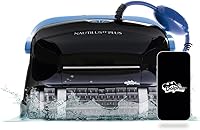
The Polaris Vac-Sweep 360 uses water pressure from a pool return line and collects debris in its own bag. The Dolphin Nautilus CC Plus Wi-Fi plugs into an AC power source, while the cordless Beatbot Sora 10 runs on a battery.
These options differ in how they connect, collect debris and fit your cleaning routine. Check your pool's equipment and the cleaner's instructions before choosing.

Pressure side pool cleaner vs robotic: how do they connect?
A pressure-side cleaner needs a suitable return-line setup; a robotic cleaner needs its specified power source. Check these requirements first, since they can rule out a type before you compare cleaning features.
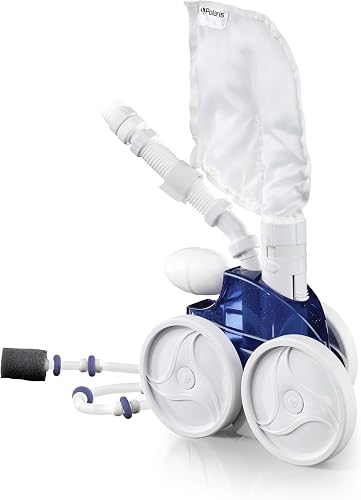
The Polaris Vac-Sweep 360 connects to a dedicated cleaner return line. Its maker says a standard return line can be retrofitted, but you should confirm the setup with a pool professional.
The 360 doesn't need a separate booster pump. It also isn't compatible with a dedicated pressure line and booster pump, so verify the existing plumbing before buying.
The Dolphin Nautilus CC Plus Wi-Fi uses AC power and a plug-and-play setup. It doesn't rely on the pool's return-line pressure.
The Beatbot Sora 10 is cordless and uses a lithium-ion battery. Its app control supports Wi-Fi or Bluetooth, but the battery must be charged according to its instructions.
Which cleaner fits existing pool equipment?
A pool with a compatible cleaner return line may suit the 360. If you're unsure whether your pool has one, our guide to pressure-side and suction-side cleaners explains how the plumbing connections differ.
A robotic cleaner may be simpler when you don't have a cleaner return line. You'll still need to follow its power and placement instructions, including how to keep cords or charging equipment away from the water.
Which handles leaves and other debris?
A pressure-side bag can be useful for larger debris, while robotic cleaners collect debris in their own filter containers. Match the opening and capacity to what lands in your pool.
The Polaris 360 has a 2.25 in inlet and a filter bag. Its bag captures debris before it reaches the pool pump basket or filter, which can reduce the debris those parts receive.
The Dolphin Nautilus CC Plus Wi-Fi has a top-load filter basket that you remove for care. The Beatbot Sora 10 has a 5 L debris basket and is described as capturing leaves, sand and debris.
No cleaner removes the need to empty its collection container. A bag may be more suitable for frequent large leaves, while a basket may be easier for you to lift and rinse, depending on the model and your debris load.
If leaves are your main concern, compare more options in our guide to pool cleaners for heavy leaves. Check the inlet or basket details for the specific cleaner you consider.
What pool areas do they clean?
The cleaning coverage depends on the model, so compare the exact areas it is made to clean. Don't assume every pressure-side or robotic model handles the same surfaces or pool features.
The Polaris Vac-Sweep 360 is described as sweeping, scrubbing and picking up debris on pool bottoms and walls. It's intended for in-ground pools and is described as suitable for different pool shapes and surfaces.
The Dolphin Nautilus CC Plus Wi-Fi is described as climbing walls and scrubbing them. Its maker says it is intended for in-ground pools up to 40 ft long.
The Beatbot Sora 10 is described as cleaning floors, walls, waterline and shallow areas as low as 12 in. Its maker also gives a coverage limit of up to 3,229 sq ft, so compare that with your pool's dimensions.
For a closer look at robot features, read our guide to automatic pool cleaners. It explains how robotic, suction and pressure cleaners differ.
Which is easier to maintain?
Both types need you to remove captured debris, while the pressure-side cleaner also depends on the pool's return-line setup. Choose the maintenance routine you'll keep up with.
The 360's filter bag is part of the cleaner's debris system. Empty it as needed and inspect the bag according to the manual, especially when the pool collects large leaves.
The Dolphin's top-load basket lifts out from the cleaner for debris removal. The Sora 10's larger basket holds up to 5 L, which may mean fewer emptying stops, depending on how much debris is in your pool.
Robotic cleaners also require attention to their power connections and, for cordless models, charging. Follow each manual for cleaning, storage and electrical safety guidance.
What should you check before setup?
Confirm the pool's return-line type before buying the Polaris 360. If you need a booster pump for another pressure-side model, our guide to pool booster pumps covers what they do and when a pool may need one.
For a robotic cleaner, confirm the power method and pool-size fit for that exact model. If a cleaner stops moving, use the maker's manual first; our guide to why a pool cleaner is not moving can help you identify basic checks.
Does a pressure-side cleaner cost more to set up?
Setup cost depends on your pool equipment and the cleaner model. A return-line retrofit or a separate booster pump can affect the total, while a robotic cleaner may need a suitable outlet or battery charging routine.
The Vac-Sweep 360 doesn't require a booster pump, though it does need a compatible return-line connection. Ask a pool professional to confirm any retrofit and its cost before you buy.
Robotic models avoid a cleaner return-line connection, but their power arrangements differ. The Nautilus plugs in, while the Sora 10 is cordless and needs charging.
Compare the full setup for your pool rather than judging by cleaner type alone. Our guide to automatic pool cleaner costs explains which factors can change the total.
Which cleaner should you choose?
Choose the Polaris 360 for a compatible return-line setup and bag collection; choose a robotic cleaner if you prefer a separate unit powered by AC or a battery. Your plumbing, debris and preferred care routine should decide.
The 360 suits an in-ground pool with a suitable return line, especially if larger debris is common. The Dolphin Nautilus CC Plus Wi-Fi suits you if you want Wi-Fi scheduling and a top-load basket in a plug-in cleaner.
The Beatbot Sora 10 suits you if cordless operation, app control and cleaning shallow areas matter. Check its coverage and runtime claims against your pool and schedule.
Before you decide, compare your options in how robotic cleaners differ from suction-side cleaners. Pick the type whose setup and debris care fit your pool.
Product picks
Frequently asked questions
What is the main difference between pressure-side and robotic pool cleaners?
A pressure-side cleaner uses pressurized water from a pool return line and collects debris in a bag. A robotic cleaner operates as a separate unit, with a power source and filter basket or debris container.
Check the exact cleaner's setup needs before deciding.
Does a pressure-side pool cleaner need a booster pump?
Some pressure-side cleaners need a booster pump, but the Polaris Vac-Sweep 360 does not. It runs from pool return-line pressure.
Confirm that your pool has a suitable cleaner return line or ask a pool professional about a retrofit.
Can a robotic pool cleaner work without a cleaner return line?
Yes, a robotic cleaner such as the Dolphin Nautilus CC Plus Wi-Fi plugs into an AC power source and doesn't connect to a cleaner return line. Follow the manual for setup and power use, and keep the power connection and cord clear of the pool.
Which type is better for leaves?
A pressure-side cleaner with a debris bag can suit pools that collect larger leaves; the Polaris Vac-Sweep 360 has a 2.25 in inlet. A robotic cleaner may also fit your needs, but compare the exact model's debris capacity and cleaning areas with the leaves in your pool.
How often should you run an automatic pool cleaner?
Set a schedule around how quickly debris builds up, how often the pool is used and the cleaner's instructions. A pool with nearby trees may need more frequent cleaning than a covered pool.
See our guide to how often to run a pool vacuum.