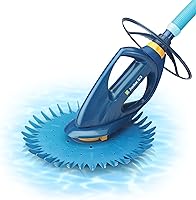
Polaris Vac-Sweep 280 Pool Cleaner Review: Worth It? (October 2026)
The Polaris Vac-Sweep 280 suits in-ground pools with a dedicated return line and booster pump. It sweeps and scrubs floors and walls, and its bag captures debris before it reaches the pool filter.
On this page (6 sections)
The Polaris Vac-Sweep 280 is a pressure-side cleaner for in-ground pools with a separate booster pump. It sweeps and scrubs the floor and walls, while its own bag collects debris such as leaves, acorns and pebbles.
Its main buying condition is the plumbing: the 280 needs a dedicated return line and booster pump. If you want a Polaris pressure cleaner without a separate booster pump, compare the 360; if you already have a suitable setup, the 280's debris bag and 2.25 in inlet are central reasons to consider it.
Polaris 280 review: what does it offer?
The Polaris 280 combines booster-pump power, a 2.25 in inlet and a single-chamber debris bag. It comes with 31 ft of feed hose and is intended for in-ground pools.
Polaris Vac-Sweep 280: Best for booster-pump setups

- Separate booster pump required
- 31 ft feed hose
- Single-chamber debris bag
- 2.25 in inlet
A pressure-side cleaner for in-ground pools that already have, or can accommodate, a booster pump. Its bag captures debris such as leaves, acorns and pebbles.
Pros
- Captures debris in its own bag
- Sweeps and scrubs floors and walls
- Large 2.25 in inlet
- Includes 31 ft of feed hose
Cons
- Needs a separate booster pump
- Requires a dedicated return line
Polaris says dual venturi jets create vacuum power and that the cleaner can clean an in-ground pool in 3 hours or less. Those are maker claims, so use them as a guide rather than a guaranteed result for every pool.
The bag gives debris a separate collection point before it reaches the pool's pump basket or filter. That setup can suit pools where leaves, acorns and other larger debris are a regular concern.
When does the Polaris 280 make sense?
The 280 makes sense when your pool has a compatible dedicated return line and booster pump, and you want the cleaner to collect debris in a bag. Its listed pool surfaces include vinyl, fiberglass, gunite, pebble and tile.
Think about the extra equipment before choosing it. If your pool does not already have the required setup, ask a pool professional about compatibility and installation needs before buying.
Who should compare another cleaner?
Compare another type if you want a cleaner that doesn't rely on a booster-pump pressure line. A robotic cleaner is a different system, while the Polaris 360 uses the pool's return-line pressure without a separate booster pump.
Our guide to pressure-side versus suction-side pool cleaners explains how those plumbing approaches differ. For a broader overview, see automatic pool cleaners: robotic, suction and pressure.
What setup does the Polaris 280 need?
The 280 needs a separate booster pump and a dedicated return line. Its feed hose connects the cleaner to the pool's pressure-side plumbing.
A booster pump supplies the pressure that powers the cleaner. If you're unsure whether your pool has one, our guide to pool booster pumps for pressure cleaners explains what the equipment does and what to check with a pool professional.
Don't assume a standard return line will work with the 280. Confirm the pool's plumbing arrangement and installation requirements before ordering, especially if you are replacing a cleaner that used a different connection.
The manufacturer's instructions are the right source for installation and operation details. Avoid adapting plumbing or making equipment changes based only on a general description.
How does the 280 collect debris?
The 280 collects debris in a single-chamber filter bag rather than sending everything straight to the pool's pump basket or filter. Polaris says the bag captures leaves, acorns, pebbles and other common pool debris.
That arrangement is useful when larger debris is part of the cleanup. The bag does need attention, so check it regularly and follow the manual's directions for emptying and care.
The 2.25 in inlet is another notable feature. It is designed to let the cleaner pick up larger debris that other cleaner types may not handle as readily.
This doesn't mean every piece of debris will be collected in every pool. Debris size, pool layout and cleaner setup can affect what reaches the bag.
How does the Polaris 280 compare with the 360 and 380?
The 280 and 380 use separate booster pumps, while the 360 runs from pressure in the pool's return line and doesn't need a separate booster pump. The 280 has dual venturi jets; the 380 has three.
| Cleaner | Pump setup | Jets | Hose | Debris collection |
|---|---|---|---|---|
| Polaris Vac-Sweep 280 | Separate booster pump | Dual venturi jets | 31 ft | Single-chamber bag |
| Polaris Vac-Sweep 360 | Pool return-line pressure; no separate booster pump | Three venturi jets | 31 ft | Single-chamber bag |
| Polaris Vac-Sweep 380 | Separate booster pump | Three venturi jets | 31 ft | Single-chamber bag |
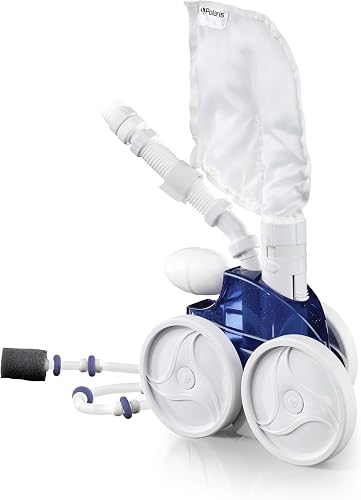
Polaris Vac-Sweep 360: Best without a booster pump
- Uses pool return-line pressure
- 31 ft feed hose
- Single-chamber debris bag
- Three venturi jets
A pressure-side alternative that runs from the pool's return-line pressure, so it doesn't need a separate booster pump. Check that your return-line setup is suitable.
Pros
- No separate booster pump needed
- Captures debris in its own bag
- Includes 31 ft of feed hose
Cons
- Needs a suitable dedicated or retrofitted return line
- Not compatible with a dedicated pressure line and booster pump
The 360 may fit better when you want a pressure-side cleaner without adding a separate booster pump, but its return-line setup still needs to be suitable. Polaris notes that it is not compatible with a dedicated pressure line and booster pump.
Polaris Vac-Sweep 380: Best for three-jet cleaning

- Separate booster pump required
- Three venturi jets
- 31 ft feed hose
- Single-chamber debris bag
A booster-pump pressure cleaner with three venturi jets and a debris bag. It shares the 280's broad cleaning approach while using a different jet setup.
Pros
- Three venturi jets
- Sweeps and scrubs floors and walls
- Includes 31 ft of feed hose
Cons
- Needs a separate booster pump
- Requires a suitable pressure-side setup
The 380 shares the 280's booster-pump requirement and has three venturi jets. The Polaris 280 vs 380 comparison looks more closely at which of those two setups may fit your priorities.
What should you check before buying?
Check the pool plumbing, pump setup and route for the 31 ft hose before choosing the 280. A cleaner that doesn't match the return-line arrangement is the wrong fit, even if its debris bag and inlet sound appealing.
Use this checklist with your pool professional or the manufacturer's instructions:
- Confirm the pool has a dedicated return line that suits the 280.
- Confirm there is a separate booster pump, or ask what installation would involve.
- Check that the hose can reach the areas the cleaner needs to cover.
- Confirm the cleaner is suitable for your pool surface and shape.
- Ask how to access and maintain the debris bag.
Polaris describes the 280 for all in-ground pool shapes and names vinyl, fiberglass, gunite, pebble and tile surfaces. Verify the fit for your specific pool and follow the manual's guidance.
If your priority is comparing pressure cleaners with other cleaner types, our automatic pool cleaner guide lays out the main categories. For more pressure-side options, see the best pressure-side pool cleaners.
Is the Polaris 280 the right choice?
Choose the Polaris 280 if your in-ground pool has a compatible dedicated return line and booster pump, and you want a pressure-side cleaner with its own bag for larger debris. Consider the 360 if your setup needs a pressure cleaner without a separate booster pump, or compare robotic and suction cleaners if the plumbing requirements don't fit.
Before buying, confirm your pool's connection and installation needs with a pool professional. For a broader decision across cleaner types, use our automatic pool cleaner comparison.
Frequently asked questions
Does the Polaris 280 need a booster pump?
Yes. The Polaris 280 is powered by a separate booster pump and connects to a dedicated return line.
If you don't have a booster pump, compare the Polaris 360, which uses pressure from the pool's return line, and confirm with a pool professional that your plumbing setup suits it.
What debris can the Polaris 280 pick up?
The 280's 2.25 in inlet and single-chamber bag are designed to capture small and large debris, including leaves, acorns and pebbles. The bag catches debris before it reaches the pump basket or filter, so empty and care for it as directed in the manual.
How long does the Polaris 280 take to clean a pool?
Polaris says the 280 can clean an in-ground pool in 3 hours or less when powered by a separate booster pump. Pool shape, debris and setup can affect the result, so treat that time as the maker's stated claim and follow the manual for operation.
Is the Polaris 280 suitable for every in-ground pool surface?
Polaris describes the 280 as suitable for in-ground pools with vinyl, fiberglass, gunite, pebble and tile surfaces. Confirm that your pool's return line and booster-pump arrangement fit the cleaner, and consult the manual or a pool professional if your surface or setup is unusual.