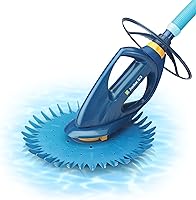
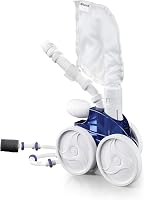
How Does a Polaris Pool Cleaner Work?
A Polaris pool cleaner works by pressure, not suction. A booster pump or the pool's return line pushes pressurized water through jet nozzles under the cleaner, which sweeps dirt off the floor and walls and sends it into a mesh filter bag.
On this page (8 sections)
- How does a Polaris pool cleaner work step by step?
- What does the booster pump do on a Polaris cleaner?
- How do the jets move a Polaris cleaner around the pool?
- How does a Polaris cleaner capture debris without the pool filter?
- How is a pressure-side cleaner different from a suction cleaner?
- What kind of pool setup does a Polaris cleaner need?
- How do you keep a Polaris cleaner working well?
- Which Polaris cleaner fits your pool?
A Polaris pool cleaner works by pressure: water is pushed through jet nozzles under the cleaner, and that stream sweeps dirt and debris into a filter bag. There's no suction hose pulling water to the pump.
The pressurized water comes from a booster pump or, on some models, straight from a dedicated return line.
So how does a Polaris pool cleaner work in practice? The jets do two jobs at once: they loosen dirt off the pool surface, and they drive the cleaner's body around the floor and walls.
Debris gets trapped in a filter bag before the water returns to the pool.
How does a Polaris pool cleaner work step by step?
Water enters the cleaner under pressure, the jets sweep the surface, and debris collects in the bag. The cycle runs the whole time the pump and booster are on, so the cleaner keeps moving and cleaning without you steering it.
- A booster pump or the pool's return line feeds pressurized water into the feed hose.
- The hose carries that water to the cleaner head at the bottom of the pool.
- Jet nozzles under the head shoot the water out at an angle.
- The jets loosen dirt from the floor and walls and push the cleaner forward.
- The water sweeps debris into the inlet and the filter bag.
- The filtered water flows back into the pool, leaving the debris behind in the bag.
That's the whole loop. The cleaner doesn't pull water toward the pump at all.
It pushes water out and lets the bag do the catching, which is why it's called a pressure-side cleaner. Our guide to how automatic pool cleaners work compares this loop with the suction and robotic types.
What does the booster pump do on a Polaris cleaner?
The booster pump adds the extra water pressure the cleaner's jets need. A normal pool return line moves water, but not with enough force to drive a cleaner around the whole pool.
The Polaris PB4-60 is a 3/4-horsepower booster pump built for Polaris pressure cleaners. It has a 60-hertz MagnetTek motor and fits the Zodiac Polaris line.
It sits on the return side of the system and boosts the flow that goes into the cleaner's hose.
Not every Polaris needs one. The Vac-Sweep 280 is powered by a separate booster pump.
The Vac-Sweep 360 runs on the water pressure from a dedicated return line and needs no booster pump. That's the biggest choice between the two models, and it's worth checking which setup your pool already has before you buy.
How do the jets move a Polaris cleaner around the pool?
The angled jets push the cleaner forward, and a backup valve steers it out of corners. There's no motor or wheels driving the body.
The water does the moving.
The jets sit under the cleaner head and point backward and to the side, so the recoil shoves the unit along the floor. When the cleaner reaches a wall, the jet direction lets it climb and scrub the wall surface before dropping back down.
The three-wheel body rolls over pool surfaces.
An in-line backup valve handles the stuck problem. If the cleaner gets cornered, the valve reverses the water flow for a moment and frees it.
Then it goes back to normal cleaning. The Vac-Sweep 280 and 360 both use this in-line backup valve design.
If yours stops moving, our guide to a Polaris pool cleaner not moving covers what to check.
How does a Polaris cleaner capture debris without the pool filter?
A filter bag catches debris before the water goes back to the pool. The bag works like a strainer, and the pool's own filter never sees most of what the cleaner picks up.
The Vac-Sweep 280 has a single-chamber filter bag and a 2.25-inch inlet. That wide mouth takes in leaves, acorns, pebbles, and other bulky debris that might clog a suction cleaner's narrow hose.
The 360 uses the same 2.25-inch inlet and a filter bag of its own. Catching debris in the bag means less load on the pump basket and filter, so those parts don't clog as fast.
Fine silt and dust still pass through the bag and end up in the pool filter, so the bag and the filter both need attention.
How is a pressure-side cleaner different from a suction cleaner?
A pressure cleaner pushes water out and bags the debris, while a suction cleaner pulls water in and sends it to the filter. The two systems move water in opposite directions.
| Feature | Pressure-side (Polaris) | Suction-side |
|---|---|---|
| Water flow | Jets push water out | Hose pulls water in |
| Debris goes to | Its own filter bag | The pool filter |
| Pump needed | Booster pump or dedicated return line | The pool's main pump |
| Large debris | Wide inlet handles leaves and pebbles | Narrow hose can clog |
| Fine debris | Passes to the pool filter | Caught by the pool filter |
The pressure type suits pools with a lot of leaves and grit, since the wide inlet and bag handle bulky debris. The suction type leans on the pool's main filter for everything.
For a closer look at how pressure models stack up against robots, see pressure side pool cleaner vs robotic.
What kind of pool setup does a Polaris cleaner need?
A Polaris pressure cleaner needs a return line that feeds the cleaner, plus a power source for the booster if the model requires one. The exact setup depends on the model.
The Vac-Sweep 280 connects to a dedicated return line and needs a separate booster pump. Its 31 feet of feed hose should reach most in-ground pools.
The Vac-Sweep 360 also attaches to a dedicated return line, but it runs on the return line's own pressure without a booster. If your pool has only a standard return line, a retrofit eyeball kit can convert it into a dedicated line for the 360.
The 280 and 360 both suit in-ground pools of any shape, including vinyl, fiberglass, gunite, pebble, and tile surfaces. Above-ground pools usually need a different setup, so check your plumbing before you choose.
How do you keep a Polaris cleaner working well?
Empty the bag often, check the hose for leaks and kinks, and keep the jets clear. Small maintenance steps keep the pressure high enough to move the cleaner and sweep the pool.
Rinse the filter bag whenever it looks full. A packed bag cuts the flow and slows the cleaner down.
Check the feed hose for cracks or trapped air, since a leaky hose loses the pressure the jets need. Clear leaves and twigs from around the inlet so debris can flow in.
Watch the backup valve too. If the cleaner keeps getting stuck in the same spot, the valve or the jet direction may need a reset.
And keep the pool's water level in its normal range, because a low level can make the booster pump pull air. The Vac-Sweep 280 runs its cleaning cycle in 3 hours or less, so a full pass is quick when everything works.
Our Polaris 280 review covers the model in more detail.
Which Polaris cleaner fits your pool?
Pick the Vac-Sweep 280 if you have a dedicated return line and room for a booster pump; pick the 360 if you'd rather skip the booster. Both handle in-ground pools and large debris, so the plumbing decides it.
The Vac-Sweep 280 has dual venturi jets and a single-chamber bag, and it cleans in 3 hours or less with a booster pump behind it. The 360 uses three venturi jets and runs on the return line's pressure alone.
If your pool already has a booster pump and a dedicated line, the 280 is the straightforward match. If not, the 360 saves the pump and the wiring.
Either way, knowing how a Polaris pool cleaner works makes the setup easier to judge. Check your return line and pump first, then choose the model that fits what you already have.
If your cleaner is already installed and acting up, start with the troubleshooting guide before you buy anything new.
Frequently asked questions
How does a Polaris pool cleaner work without a booster pump?
Some Polaris models, like the 360, run on the water pressure already coming from a dedicated return line. They skip the separate booster pump, but the return line must deliver enough flow to push the cleaner around the pool.
Does a Polaris cleaner use the pool's filter?
No. A Polaris pressure-side cleaner catches debris in its own filter bag before the water returns to the pool.
That keeps leaves and grit out of the pump basket and filter, so the main filtration system has less to handle.
What kind of debris can a Polaris pool cleaner pick up?
Its large inlet and filter bag take in leaves, acorns, pebbles, and other bulky debris that a suction cleaner's hose might clog on. Fine silt still reaches the pool filter, so the bag needs regular emptying and rinsing.