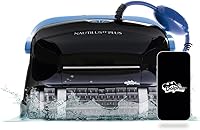
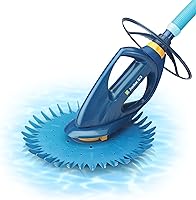
Is a Robotic Pool Cleaner Worth the Money?
A robotic pool cleaner can be worth it if you want an automatic way to collect debris and reduce manual vacuuming. The value depends on your pool, cleaning needs, and willingness to handle the robot after each cycle.
On this page (6 sections)
A robotic pool cleaner can be worth the money if you want less manual vacuuming and automatic debris pickup. It is a weaker fit if your pool is already easy to clean by hand or you don't want another device to maintain and store.
The value comes from the time and effort the robot may save, weighed against its cost and care needs. Compare how you clean now with what the machine covers, how it collects debris, and whether its power setup suits your pool.
Are robotic pool cleaners worth it for most pools?
They can be worth it when regular floor or wall cleaning is a chore you want to automate. A robot cleans with its own motor and filter, while suction and pressure cleaners connect to pool equipment and work differently.
Your pool's shape, surface, debris, and cleaning schedule all affect the fit. Start with how automatic pool cleaners work to compare the main types, then check the robot maker's pool and surface guidance.
A robot won't remove the need to empty its filter or maintain pool water. Think of it as a cleaning tool that may reduce one part of the routine, not a replacement for the pool's circulation system or water care.
What makes a robotic cleaner worth the money?
A robotic cleaner is more likely to earn its place if it handles the cleaning tasks you do most often. For example, a model that covers the floor may suit a pool where debris settles there, while wall or waterline cleaning matters if those areas need regular attention.
Convenience also depends on what happens after a cycle. Consider how you'll retrieve the cleaner, empty its basket or filter, and store it between uses.
Will a pool robot save time?
It may save time by collecting debris without requiring you to guide a manual vacuum. The time saved depends on how often you clean now and how much work the robot leaves behind.
Some debris or pool areas may still need manual attention. Compare the robot's stated coverage with your pool's shape and cleaning needs, and don't assume that a broad feature list means every spot will be covered in your setup.
If you want a baseline for how often to clean, see how often to run an automatic pool cleaner. Your pool's debris load and routine can affect how often you need to run and empty the cleaner.
Do robots work with every pool?
No, pool robots differ in the pool types, sizes, and surfaces they are meant to handle. Check the model's guidance against your pool before buying, especially if it has steps, a shallow shelf, an unusual shape, or a surface with care requirements.
A robot's ability to climb or clean a waterline is model-specific. Our guide to which robotic pool cleaner cleans steps explains why this feature needs a closer look.
What are the tradeoffs of owning a robotic pool cleaner?
The main tradeoffs are purchase cost, filter care, storage, and power or charging needs. A robot can make cleaning more convenient, but it still needs regular attention and a place to live when it's out of the pool.
Check whether the cleaner is corded or cordless, how it is charged if needed, and how its filter comes out. Follow the manual for power, charging, cleaning, and storage.
If the robot stops moving or seems to miss areas, check the maker's troubleshooting guidance before assuming it needs repair. The guide to why a pool cleaner is not moving covers common checks.
Which robotic pool cleaners suit different needs?
These examples illustrate different robot setups from the product details available. Match each model's stated features to your pool and routine, then confirm the maker's instructions before choosing.
Is the Dolphin Robotic Pool Vacuum worth considering for an in-ground pool?
The Dolphin Robotic Pool Vacuum for In-Ground Pools is worth considering if you want a corded plug-and-play cleaner for a compatible in-ground pool. Its product information describes an active scrubbing brush, wall climbing, and a top-load filter basket.
Dolphin describes the cleaner as suitable for in-ground pools up to 40 ft long. Check the model instructions and your pool's specific needs before deciding whether its coverage fits.
Does the Beatbot Sora 10 suit pools that need broader coverage?
The Beatbot Sora 10 may suit you if you want cordless cleaning with floor, wall, waterline, and shallow-area coverage. Its product details describe Wi-Fi or Bluetooth app control and waterline parking at the end of a cycle.
Beatbot says the Sora 10 can run for up to 300 minutes and cover pools up to 3,229 sq ft in one session. Those are maker-stated limits, so check its guidance against your pool and cleaning conditions.
Could the Gosvor LiteVac G1 fit a pool with shallow areas?
The Gosvor LiteVac G1 may fit if you want floor, wall, waterline, and shallow-area cleaning, with app control and a top-load basket. Gosvor describes a 3.6 L basket and 5 cleaning modes.
Gosvor states that runtime varies by mode and pool conditions. Its instructions also give battery and filter guidance for climbing, so read them to see whether your pool and routine match.
How do you decide if a pool robot is a good value?
Compare the work it removes with the care and equipment it adds. A robot is a better value when its pool coverage matches the places you clean most and you have a practical plan for retrieval, filter care, and storage.
Use this checklist:
- Identify where debris gathers and which surfaces need regular cleaning.
- Confirm the robot is intended for your pool type, size, and surface.
- Check whether it cleans the floor, walls, waterline, or shallow areas you care about.
- Compare corded power with battery charging and storage needs.
- Read the maker's instructions for filter care and cycle use.
- Compare the full cost with your current cleaner and routine.
For a wider look at the options, read automatic pool cleaners: robotic, suction, and pressure. If you want to compare costs across cleaner types, see how much an automatic pool cleaner costs.
Are robotic pool cleaners worth it for your pool?
Robotic pool cleaners are worth considering if you want to reduce manual cleaning and find a model that fits your pool's needs. Pick a robot for convenience and the coverage it provides, after checking its care and power requirements.
If your current method already keeps the pool clean with little effort, a robot may add more upkeep than value. If you're still comparing cleaner types, start with the automatic pool cleaner guide and choose by pool compatibility, routine, and maintenance needs.
Frequently asked questions
Are robotic pool cleaners worth it for a small pool?
They can be, if you want automatic debris collection and the robot's pool and surface guidance matches your setup. For a small pool that's easy to clean by hand, the convenience may not justify another device to store, maintain, and charge or plug in.
Do robotic pool cleaners save money?
They may reduce some manual cleaning work, but savings depend on the cleaner, your current setup, and ongoing care. Compare the full purchase and upkeep costs with your current method, including any power or equipment needs, before treating a robot as a money saver.
Can a robotic pool cleaner replace a pool's filter system?
No. A robotic cleaner collects debris in its own filter, but it doesn't replace the pool's circulation and filtration system or routine water care.
Keep following the pool equipment and chemical makers' instructions, even when a robot handles regular surface cleaning.
What should I check before buying a pool robot?
Check the cleaner's pool type, size guidance, surfaces, cleaning coverage, power or charging needs, filter access, and storage requirements. Then compare those details with your pool and routine, and read the manual for care and use limits.