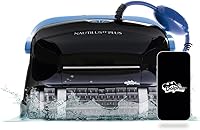
Can a Robotic Pool Cleaner Pick Up Algae?
A robotic pool cleaner can pick up some loose algae, but it does not treat an algae bloom or fix the water chemistry. Clear the water with the treatment recommended for your pool, then use the robot for debris the maker says it can collect.
On this page (7 sections)
- Do robotic pool cleaners pick up algae from the pool floor?
- Can a pool robot treat an algae bloom?
- What should you do before running a robot in algae-filled water?
- How can algae affect the robot's filter?
- How should you clean the robot after collecting algae?
- When should you contact the cleaner maker or a pool store?
- What is the safest way to use a pool robot for algae debris?
A robotic pool cleaner can pick up some loose algae, but it won't kill algae, clear an active bloom, or correct water chemistry. Follow the pool cleaner maker's instructions and ask a pool professional or pool store how to treat the water.
If algae has settled on the floor, a robot may collect some of it if its filter can capture the particles. Fine algae can pass through a filter or cloud the water again, so treat water care and debris removal as separate jobs.
Do robotic pool cleaners pick up algae from the pool floor?
They may pick up loose algae that their filters can capture. How well that works depends on the algae's form, the filter, and the cleaner maker's guidance.
A robot's brushes and suction are meant to collect debris, not to kill living algae. If the pool is green or cloudy, ask a pool store or pool care professional for treatment advice before relying on a cleaner.
For a broader look at the types of automatic cleaners, see automatic pool cleaners: robotic, suction, and pressure. Robotic models collect debris in their own filters, while other cleaner types connect to pool circulation equipment.
Can a pool robot treat an algae bloom?
No. A robotic cleaner does not treat an algae bloom or balance pool water.
It cannot replace water testing or the treatment steps recommended for your pool.
Don't add chemicals based on a robot's features or use the cleaner as a reason to skip treatment advice. Ask a qualified pool professional or pool store what your water needs, and follow the product labels and pool equipment instructions.
Wait to run the robot until the treatment guidance and the cleaner manual say it's suitable. Pool chemicals and water conditions can affect equipment, and the manufacturer can tell you what applies to your model.
Can the cleaner pick up dead algae after treatment?
A robot may collect loose dead algae after treatment, if its filtration can capture the particles and the maker allows use in those conditions. It won't remove algae that remains attached to surfaces or settle out of reach.
Ask the pool care professional how to handle the material after treatment. Then check the robot's manual for filter selection, operating conditions, and cleaning steps.
What should you do before running a robot in algae-filled water?
Identify the algae problem and get water treatment advice first. A heavily green pool can hide the floor and other hazards, so don't enter water you can't see through.
- Contact a pool store or pool care professional for water testing and treatment guidance.
- Check the robotic cleaner manual for allowed water conditions and debris types.
- Ask the cleaner maker if the manual doesn't cover your situation.
- Run the robot only when the water and treatment instructions allow it.
- Inspect and clean the filter as the manual directs after use.
If the cleaner is not moving as expected, pause it and check the manual before trying further cycles. Our guide to why a pool cleaner is not moving covers basic checks for common movement problems.
How can algae affect the robot's filter?
Fine algae can load a filter quickly, and the filter may not capture every particle. Watch for changes in movement or debris collection, and stop the cycle if the manual says to do so.
Use the recommended filter and rinse or clean it only as directed. Don't scrape, open, or alter the cleaner's parts to clear a clog; contact the maker if routine filter care doesn't resolve it.
A top-load basket can make debris removal easier. The Dolphin Nautilus CC Pro Wi-Fi has a top-load filter basket for removing collected debris.
The Dolphin Proteus DX4 Plus also has a top-load filter basket, which the maker says can be rinsed with a garden hose. Its listed cleaning areas include the floor, walls, waterline, steps, and sun ledges.
The WYBOT C2 Vision has a dual-layer filtration system with a 180μm basket and HEPA filter. WYBOT describes it as capturing large leaves and fine particles, but that feature does not mean it can treat algae or handle every pool condition.
Check each manual to confirm whether a model is suitable for the algae and water conditions in your pool. For operating steps, see how to vacuum a pool with a robotic cleaner.
How should you clean the robot after collecting algae?
Clean the filter and other parts only as the manual directs. Remove collected debris promptly, rinse parts only if allowed, and let the cleaner dry or store it as instructed.
Keep algae and pool water away from electrical connections. Unplug or disconnect the cleaner using the maker's procedure before handling it, and don't use chemicals or tools on the robot unless the manual approves them.
If algae remains in the pool, a clean filter won't solve the water problem. Return to the pool treatment advice and don't keep cycling the robot as a substitute.
When should you contact the cleaner maker or a pool store?
Ask the pool store or a pool care professional about algae treatment, and ask the cleaner maker about equipment use. They can address different parts of the problem.
Contact the cleaner maker when the manual doesn't explain whether the robot can handle your water condition, which filter to use, or how to clean it afterward. Contact a pool professional or store for water testing and treatment guidance.
For help deciding how often a robot should run during ordinary cleaning, read how often to run a pool vacuum. For a specific robot feature question, see which robotic pool cleaner cleans steps.
What is the safest way to use a pool robot for algae debris?
Treat the water first with professional guidance, then use the robot only when its maker allows it. The robot can help collect suitable debris, but it isn't an algae treatment tool.
Choose a cleaner based on the debris and pool surfaces it is designed to handle, then follow its filter care instructions. If you need help with the cleaner's service life and care, see how long robotic pool cleaners last.
Frequently asked questions
Can a robotic pool cleaner remove dead algae?
A robot may collect loose dead algae if its filter can capture the particles, but fine algae can pass through some filters or cloud the water again. Check the cleaner manual for compatible debris and filter care, and ask a pool professional or store how to treat the water before relying on the robot.
Will a pool robot get rid of green algae?
No, a pool robot does not kill algae or correct the conditions that let it grow. It may pick up some loose material, but you need pool water treatment advice from a pool professional or pool store and should follow the cleaner maker's instructions for use.
Can algae clog a robotic pool cleaner filter?
Algae and other fine debris can load a filter quickly, depending on the amount and the filter design. Stop the cycle if flow or movement changes, then clean the basket or filter as the manual directs; don't run a heavily contaminated robot beyond its instructions.
Should I run my robotic cleaner during algae treatment?
Ask the pool treatment professional and check the robot manual before running it during treatment. The cleaner's materials, water conditions, and treatment instructions matter, so avoid guessing about chemical exposure or putting the robot in water that its maker says is unsuitable.