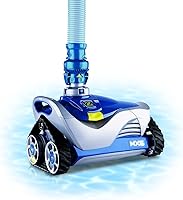
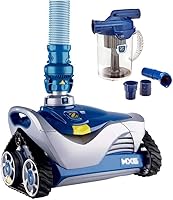
What Is a Suction-Side Pool Cleaner?
A suction-side pool cleaner is a vacuum that connects to your pool's suction line or skimmer and uses the existing pump to pull debris into the filter. It needs no separate booster pump or battery, just water flow.
On this page (7 sections)
- How does a suction-side pool cleaner work?
- What parts does a suction-side pool cleaner system include?
- Which pools suit a suction-side cleaner?
- How do you choose between suction-side and other cleaner types?
- What are the main benefits of a suction-side pool cleaner?
- What maintenance does a suction-side pool cleaner need?
- What should you know before buying a suction-side pool cleaner?
A suction-side pool cleaner is a vacuum that connects to your pool's suction line or skimmer and uses the existing pump to pull dirt, leaves and sand into the filter. It needs no booster pump, no battery and no power cord to the cleaner itself.
Water flow does the work, and the debris ends up where your filter can catch it.
The name tells you the basics: the cleaner sits on the suction side of the pump, so the pump pulls water through it. That simple setup is why so many in-ground pools come with one.
How does a suction-side pool cleaner work?
The pool pump pulls water through the cleaner, and the debris travels with it into the filter. The cleaner's body, disc and hose are just the path the water takes on its way to the pump basket.
A flexible disc under the cleaner keeps a seal against the pool surface. Suction holds the unit down and draws water under that disc, lifting leaves, sand and silt off the floor.
The dirty water then runs up the hose, through the skimmer or a dedicated suction port, into the pump basket and on to the filter.
Most units also steer themselves. The Zodiac MX6 uses hydraulic suction to drive internal gears and its X-Drive navigation, so the cleaner follows a pattern instead of sitting in one spot.
Its cyclonic turbine creates downforce while the X-Trax treads grip the surface. No motor means nothing to charge and no internal filter to empty.
What parts does a suction-side pool cleaner system include?
A suction-side cleaner is more than the head: it needs a hose, a connection point and enough flow to move. The head is the visible part, but the setup around it decides whether the cleaner works well.
The cleaner head is the vacuum body with its disc and any brushes or treads. The hose carries water and debris to the suction point, often in sections that lock together.
The connection is either a dedicated suction line in the pool wall or the skimmer port, and a flow control valve or regulator sets how much water the cleaner gets.
Some units add active brushing. The Polaris MAXX uses concentrated scrubbing brushes to loosen stuck debris and direct it toward the inlet.
A regulator valve on that model controls excess water flow to reduce wear. These parts matter because a restricted filter or a blocked skimmer cuts the cleaning power the whole system delivers.
Which pools suit a suction-side cleaner?
Most in-ground pools can run one, but the suction connection matters more than the pool's size or finish. The XtremepowerUS model is aimed at residential in-ground pools and works with the existing filtration system.
The Polaris MAXX is rated for all in-ground pool surfaces, from the floor to the waterline.
You need a place to plug the hose in. A dedicated suction line is the cleaner, simplest option.
Many pools instead route the hose through the skimmer, which works too, though it can reduce skimming at the surface while the cleaner runs. The Zodiac MX6 includes connection accessories for either a dedicated line or a skimmer installation.
Above-ground pools are a different story, since their plumbing and skimmer setup differ. Check your pool's suction points and pump before choosing a cleaner, then match the model to what you have.
Our guide to the best suction-side pool cleaners covers options for different pool setups.
Who should pick the Zodiac MX6?
Pick the Zodiac MX6 if you want a compact, energy-efficient cleaner for a pool with a dedicated suction line or skimmer port. It's the strongest all-round choice of the three, with a score of 8.9.
The MX6 sets up without electricity or batteries. You calibrate the flow control to suit your pump, and hydraulic suction drives the internal gears for floor and wall coverage.
It also works with variable-speed pumps at lower flow rates, which keeps running costs down. See our Zodiac MX6 review for the full breakdown.
Who should pick the Polaris MAXX?
Pick the Polaris MAXX if stuck-on debris and fine silt are your main problem. Its active scrubbing brushes loosen stubborn material, and its HALO technology is built to handle fine silt and sand as well as longer debris.
It scores 8.3.
Multi-directional navigation and powerful turbines give it strong climbing, and its hydraulic design runs at lower flow rates. The Regulator Valve controls excess water flow to reduce wear, and the scrubbing brushes are replaceable.
It's built for routine maintenance, so clear the worst of a seasonal opening by hand first.
Who should pick the XtremepowerUS?
Pick the XtremepowerUS suction-side cleaner if you want an affordable, straightforward vacuum with a wall-climbing design and a full hose set. It scores 7.2 and comes with 30 feet of hose in 10 sections.
It connects to a compatible skimmer or dedicated suction line and needs no booster pump. The flexible disc helps it keep suction contact across surfaces.
It's the budget-minded pick, but it trails the other two on navigation and debris handling, so it suits simpler pools and lighter debris loads.
How do you choose between suction-side and other cleaner types?
Suction-side cleaners are the simplest and usually the cheapest to run, but they hand debris to your filter and can't pick and choose what they swallow. That's the main trade-off.
A pressure-side cleaner works the other way: a booster pump pushes water through it, and debris goes into a bag on the cleaner rather than into the filter. That suits pools with heavy leaf loads and a filter that doesn't want the extra work.
Our comparison of pressure-side vs suction-side pool cleaners lays out the differences.
A robotic cleaner runs on its own power, filters debris internally and doesn't lean on the pool pump at all. It costs more upfront but takes strain off the filtration system.
If you're weighing that choice, read robotic pool cleaner vs suction-side cleaner.
What are the main benefits of a suction-side pool cleaner?
The big plus is simplicity: one hose, one connection, and your existing pump does the rest. There's no separate power supply to install or maintain.
Because debris goes straight to the filter, you're not emptying a bag after every cycle. The cleaner runs whenever the pump runs, so filtration and cleaning happen in the same session.
Flow control also lets you tune performance, and models like the Zodiac MX6 are designed to work with variable-speed pumps at lower flow rates.
The trade-offs are real too. Suction-side cleaners can't separate large leaves from fine silt, so the pump basket and filter take the load.
Wall climbing depends on solid flow, and a dirty filter or full skimmer basket weakens the whole system.
What maintenance does a suction-side pool cleaner need?
Keep the pump basket and skimmer clear, and the cleaner keeps working. A restricted filter reduces cleaning power, so check and empty both regularly.
Inspect the disc and hose for wear, cracks or trapped debris. A worn disc loses its seal and the cleaner starts to wander or stall.
Rinse the unit after use and store it out of direct sun so the plastic and hose last longer.
Set the flow control valve so the cleaner moves steadily without racing. The Zodiac MX6's flow calibration and the Polaris MAXX's Regulator Valve both exist to keep flow in the right range.
Backwash or clean the filter on schedule, and check the hose sections for leaks that bleed off suction.
What should you know before buying a suction-side pool cleaner?
Match the cleaner to your suction connection and your debris load, then set the flow correctly. That combination decides whether it cleans well or just moves around.
For most in-ground pools with a dedicated suction line or skimmer port, the Zodiac MX6 is the pick to beat. Choose the Polaris MAXX if scrubbing and fine silt are the priority, or the XtremepowerUS if budget and a full hose set matter most.
Before you order, confirm the connection type and measure your pool so the hose reaches every corner. A suction-side pool cleaner is only as good as the flow feeding it, so plan on keeping the baskets and filter clean from day one.
Frequently asked questions
Can a suction-side cleaner climb pool walls?
Some can. The XtremepowerUS model is built with a wall-climbing design, and the Zodiac MX6 and Polaris MAXX both climb when the flow is set right.
Wall climbing depends on enough suction and the cleaner's own design.
How much hose comes with a suction-side pool cleaner?
It varies by model. The XtremepowerUS set includes 30 feet of hose in 10 sections, the Zodiac MX6 includes 32 feet of Twist Lock hose, and the Polaris MAXX includes 39 feet.
Enough hose lets the cleaner reach the whole pool.
Are suction-side pool cleaners good for heavy spring cleanup?
They're built for routine maintenance, not for the first cleanup after winter or a new pool build. The Polaris MAXX is explicitly designed for routine cleaning, so clear the worst debris by hand first and then let the cleaner keep up with it.